Tick Control & Yard Treatment in NEPA
Yard treatments targeting the edges, shade, and leaf litter where ticks wait for a host.
Active season
April–November; nymphs peak May–July
Category
Seasonal / outdoor
First sign to watch for
Ticks found on family members or pets after time in the yard
Free inspection
Firm written quote before any work begins
Signs of Ticks in Your Home
Spotting the problem early makes treatment faster and cheaper. Call us if you notice any of these:
- Ticks found on family members or pets after time in the yard
- Deer trails, deer bedding, or heavy deer traffic through the property
- Wooded edges, stone walls, and leaf litter bordering lawn areas
- Mice and chipmunk activity around sheds and woodpiles
- Prior Lyme diagnoses or tick-borne illness in the household
Our Tick Treatment Process
- Step 1
Habitat Mapping
Ticks concentrate in the ecotone — where lawn meets woods, stone walls, and ornamental beds. We map these zones, not the open lawn.
- Step 2
Targeted Treatment
Applications focus on shaded edges, leaf litter, and ground-cover plantings where ticks quest, timed to nymph and adult peaks.
- Step 3
Season Schedule
Treatments in late spring and late summer cover the two highest-risk periods; habitat advice reduces tick pressure between visits.
What does ticks treatment cost?
Every job starts with a free inspection and a firm written quote — no surprises, no pressure. For typical price ranges in Pennsylvania, see our cost guide.
Tick Control in Your City
Our technicians treat ticks problems across Northeastern PA — same-day service in the metro areas.
How to Identify Ticks — and Why DIY Falls Short
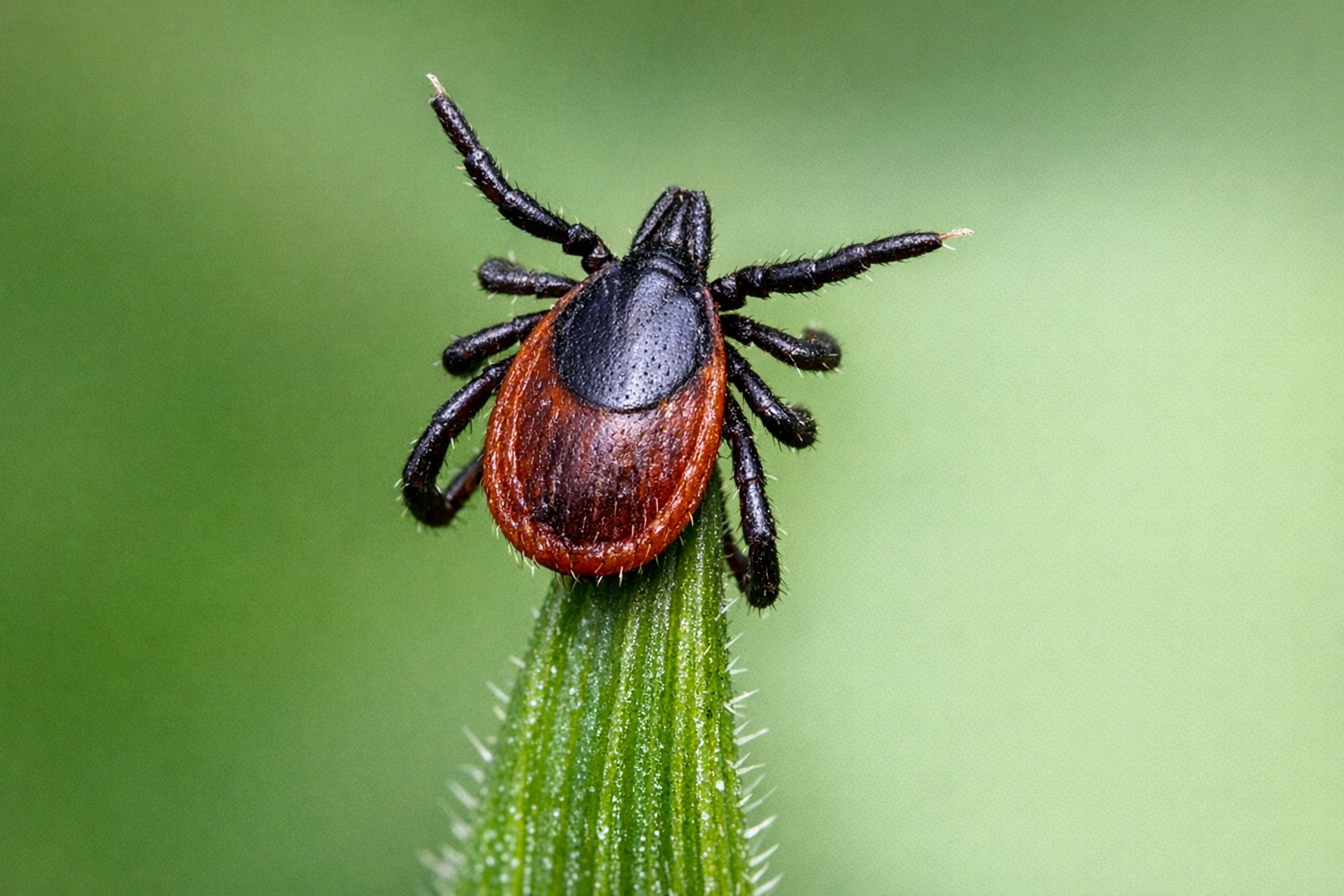
Two ticks matter most in our service area. The blacklegged (deer) tick — the Lyme vector — is small and dark, and its dangerous nymph stage is poppy-seed sized and active May through July. The American dog tick is larger, prefers open grassy areas, and does not carry Lyme but can transmit other diseases. Blacklegged ticks concentrate where woods meet lawn: stone walls, leaf litter, and shaded ground-cover beds.
Pennsylvania consistently reports more Lyme disease cases than any other state, and the blacklegged (deer) tick is established in every county we serve. The highest-risk period is late spring and early summer, when poppy-seed-sized nymphs — easy to miss during a tick check — are actively questing. A second peak arrives in October as adult ticks emerge. For NEPA families with wooded lots, dogs, or kids who play at the lawn's edge, tick control is a genuine health decision.
Ticks do not live in the middle of a sunny lawn. They need humidity and shade, which concentrates them along woodland edges, in leaf litter, under ground-cover plantings like pachysandra, and around stone walls — exactly where properties in Clarks Summit, Moscow, Dallas, and the Pocono foothills transition into forest. Deer and mice move ticks through these zones constantly, so even a tidy yard re-seeds every season.
Our tick program treats the habitat, not the whole property: precision applications along edges and in shaded beds at the moments nymphs and adults are active. We pair treatment with practical habitat changes — a mulch or gravel buffer at the woods line, keeping leaf litter cleared, moving play sets into the sun — that Penn State Extension recommends and that meaningfully reduce encounters. Add a pet on veterinarian-approved prevention, and the risk drops sharply.
Tick Control — FAQ
When should tick treatments start?
Late April or early May, before nymph activity peaks. A second application in late summer covers the fall adult peak. Properties with heavy deer traffic may benefit from a third visit.
Are yard tick treatments safe for pets?
Yes, once dry — usually within an hour. Yard treatment complements, but does not replace, veterinarian-recommended tick prevention on dogs and cats.
Can treatments eliminate every tick?
No program can promise zero ticks, since deer and rodents continually reintroduce them. A well-timed habitat program typically reduces encounters dramatically — and daily tick checks remain smart practice in PA.
Tick Problem? Get a Free Quote
Call now or send a request — a licensed NEPA technician will inspect, identify, and give you a firm written quote for ticks treatment. Same-day service available across Scranton, Wilkes-Barre, and the surrounding counties.
Mon–Sat 7:00 AM – 7:00 PM · 2-year bed bug warranty