Pest Control Guides for Northeastern PA
Plain-language answers to the questions NEPA homeowners ask most — how to identify the pest, what works, what wastes money, and when it's time to call a pro.
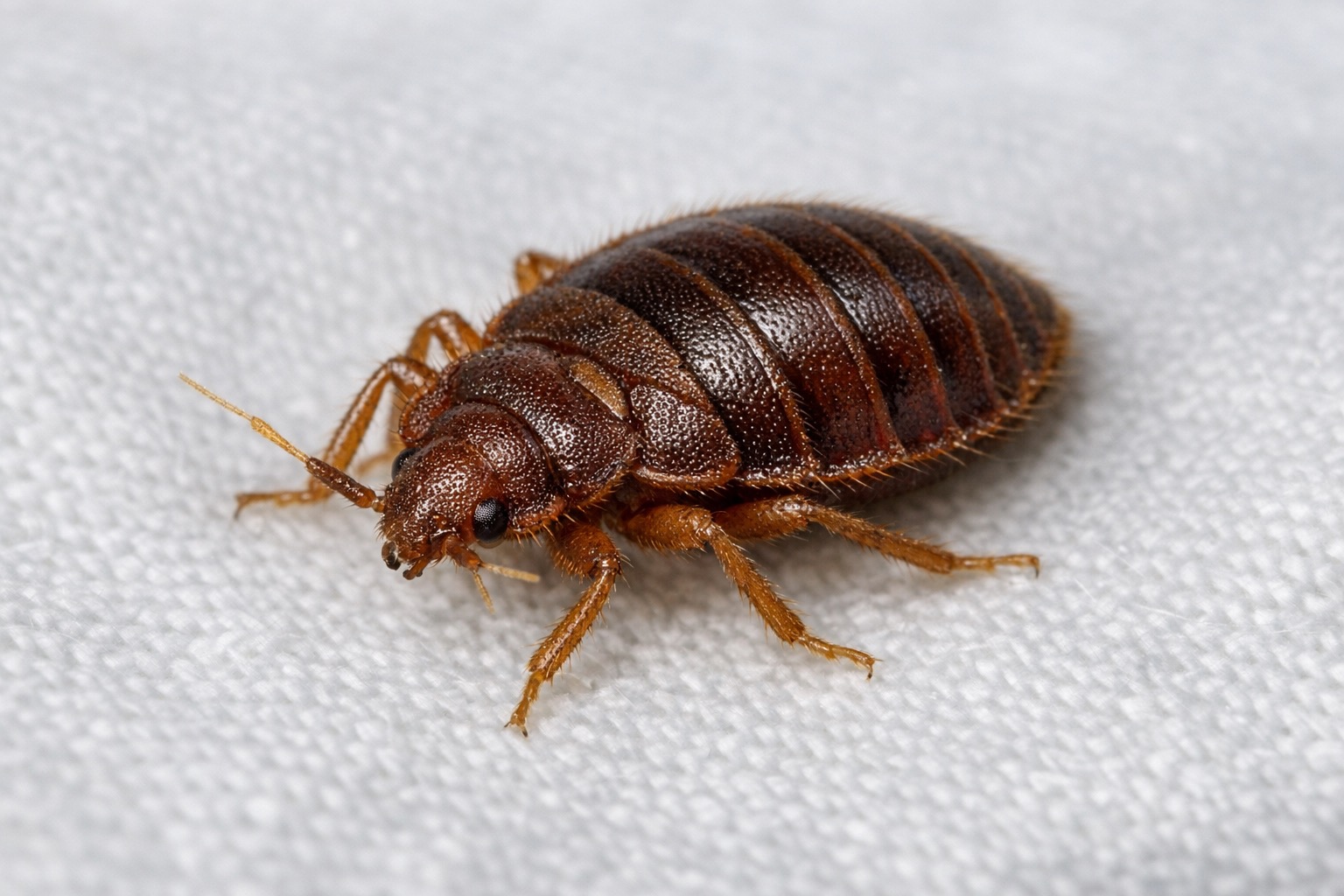
Signs of Bed Bugs: 7 Symptoms and What To Do
Bed bugs show themselves through bites in lines or clusters, rust-colored spots on sheets, dark fecal dots on mattress seams, shed skins, and live apple-seed-sized insects hiding in headboard cracks. One confirmed sign is enough to act: inspect the bed and nearby furniture, keep items in the room, and skip store foggers — they scatter the infestation wider.
Read the guide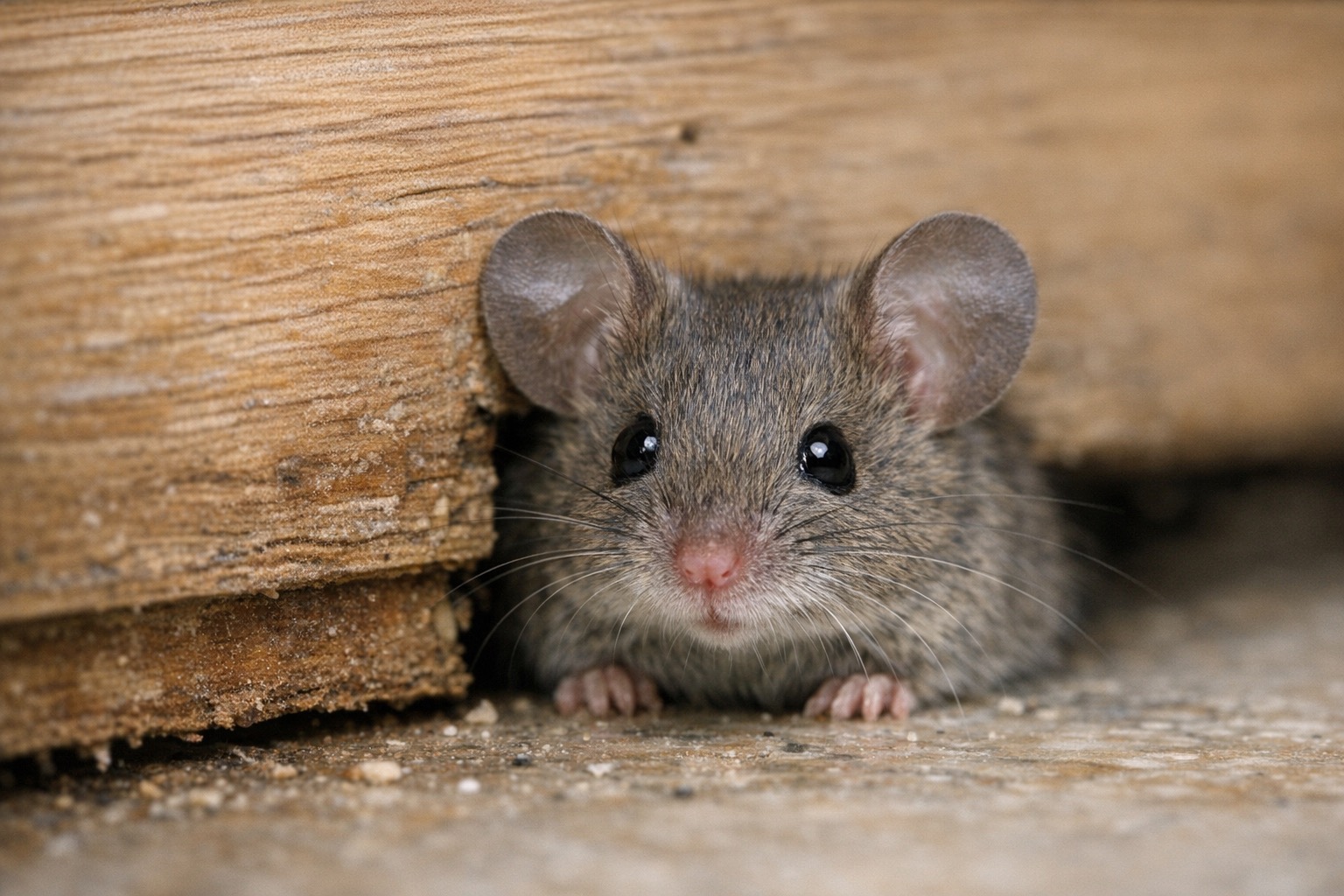
How to Get Rid of Mice and Rats for Good
Getting rid of mice and rats takes three moves in the right order: remove food and shelter, trap out the active population with snap traps along walls, then seal every exterior gap a quarter-inch or larger with rodent-proof materials. Skip indoor poison — rodents die in walls. In NEPA, finish exclusion before the October invasion; mice that winter inside breed until spring.
Read the guide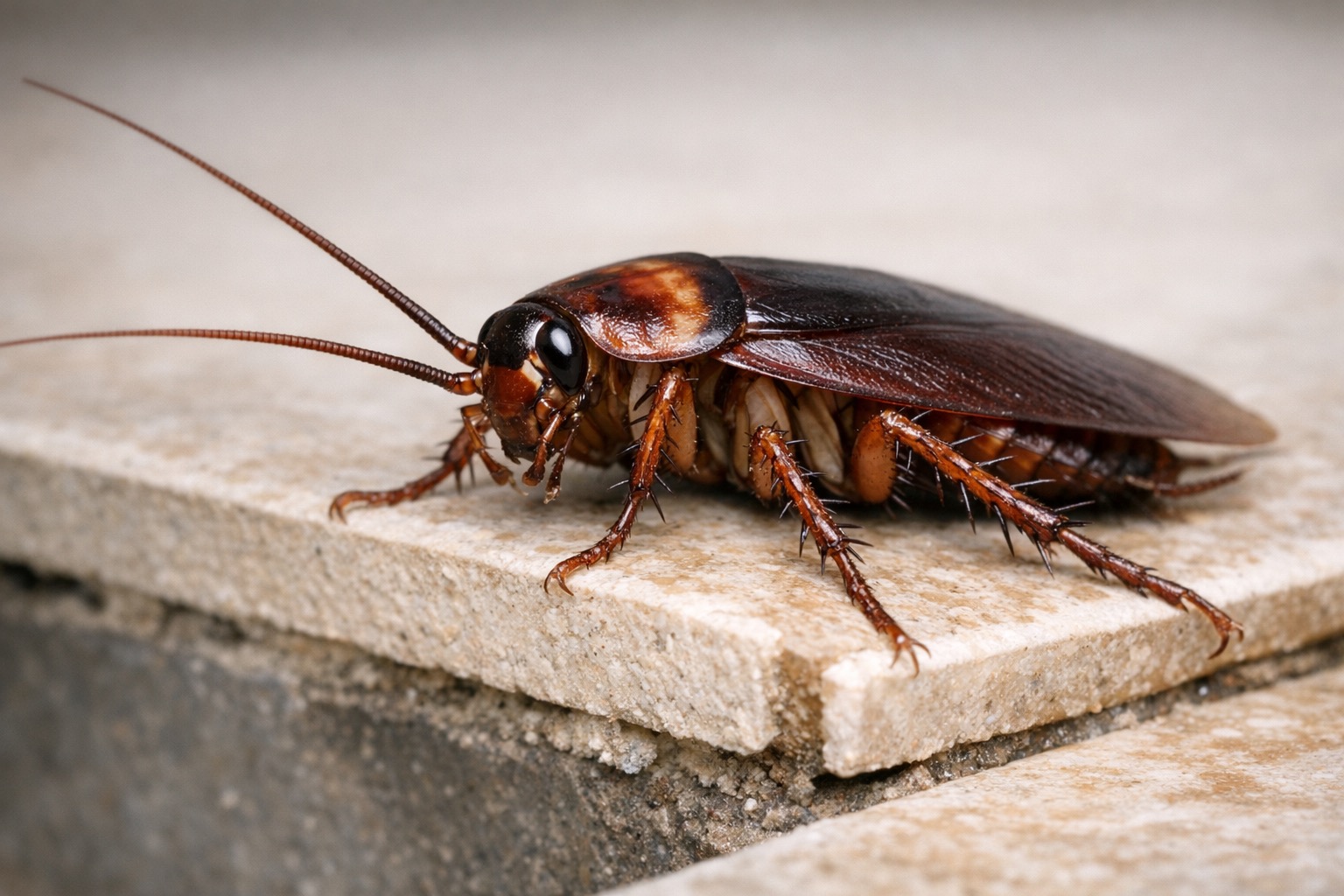
How to Get Rid of Cockroaches (and Keep Them Gone)
To get rid of cockroaches: identify the species, remove their food and water through aggressive sanitation, then apply gel baits and insect growth regulators at harborage points — never foggers or repellent sprays, which scatter roaches deeper into walls. German roaches need two to three rounds because egg cases hatch weeks after treatment. Seeing roaches in daylight means a heavy infestation.
Read the guide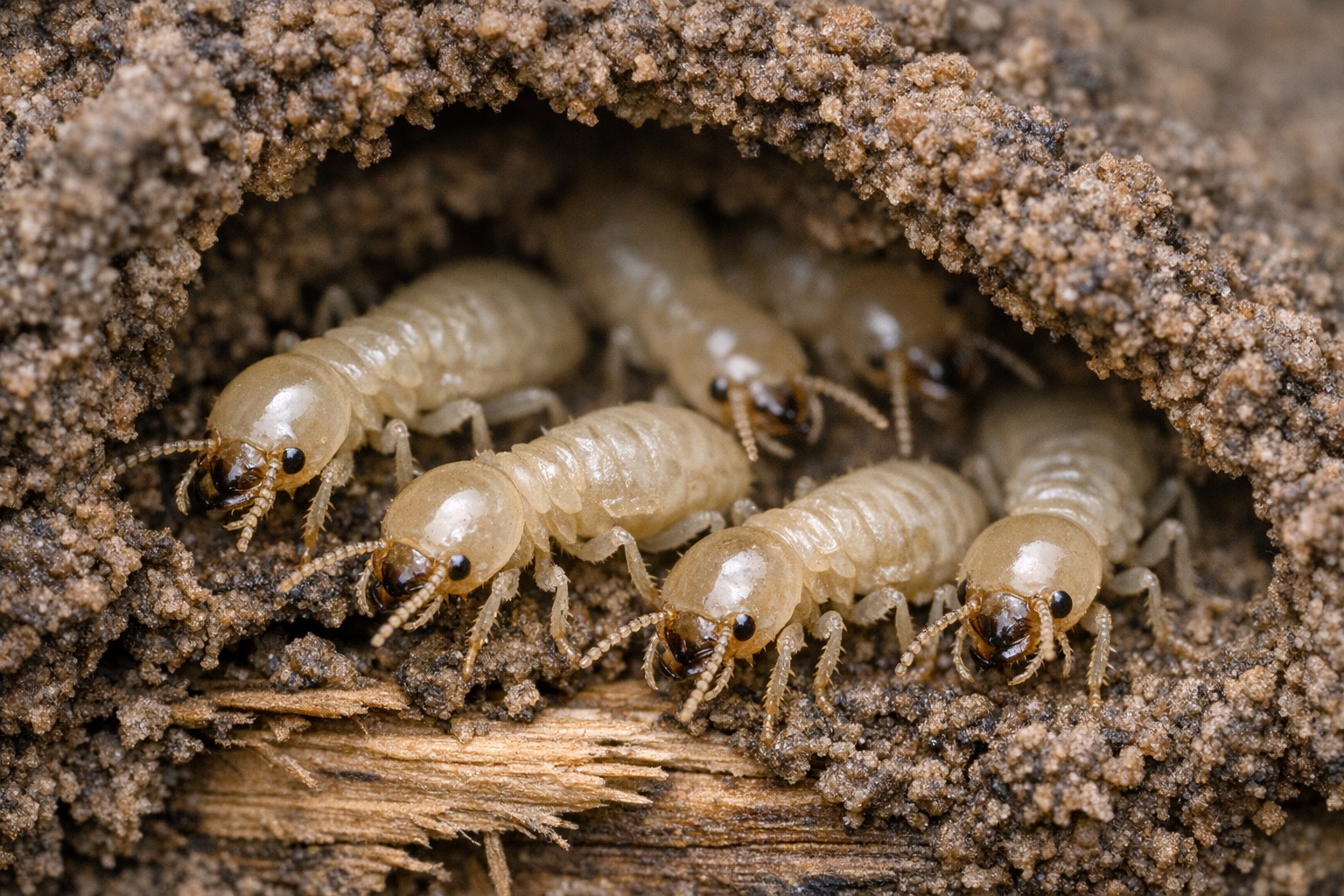
Signs of Termites: 6 Symptoms Every PA Homeowner Should Know
The six signs of termites in Pennsylvania: mud tubes on foundation walls, discarded wings on windowsills after a spring swarm, hollow-sounding or blistered wood, bubbling paint over damaged framing, tight-fitting doors and windows, and sagging floors in advanced cases. Finding any one of them warrants a professional inspection within days — termites feed year-round and damage is almost never covered by insurance.
Read the guide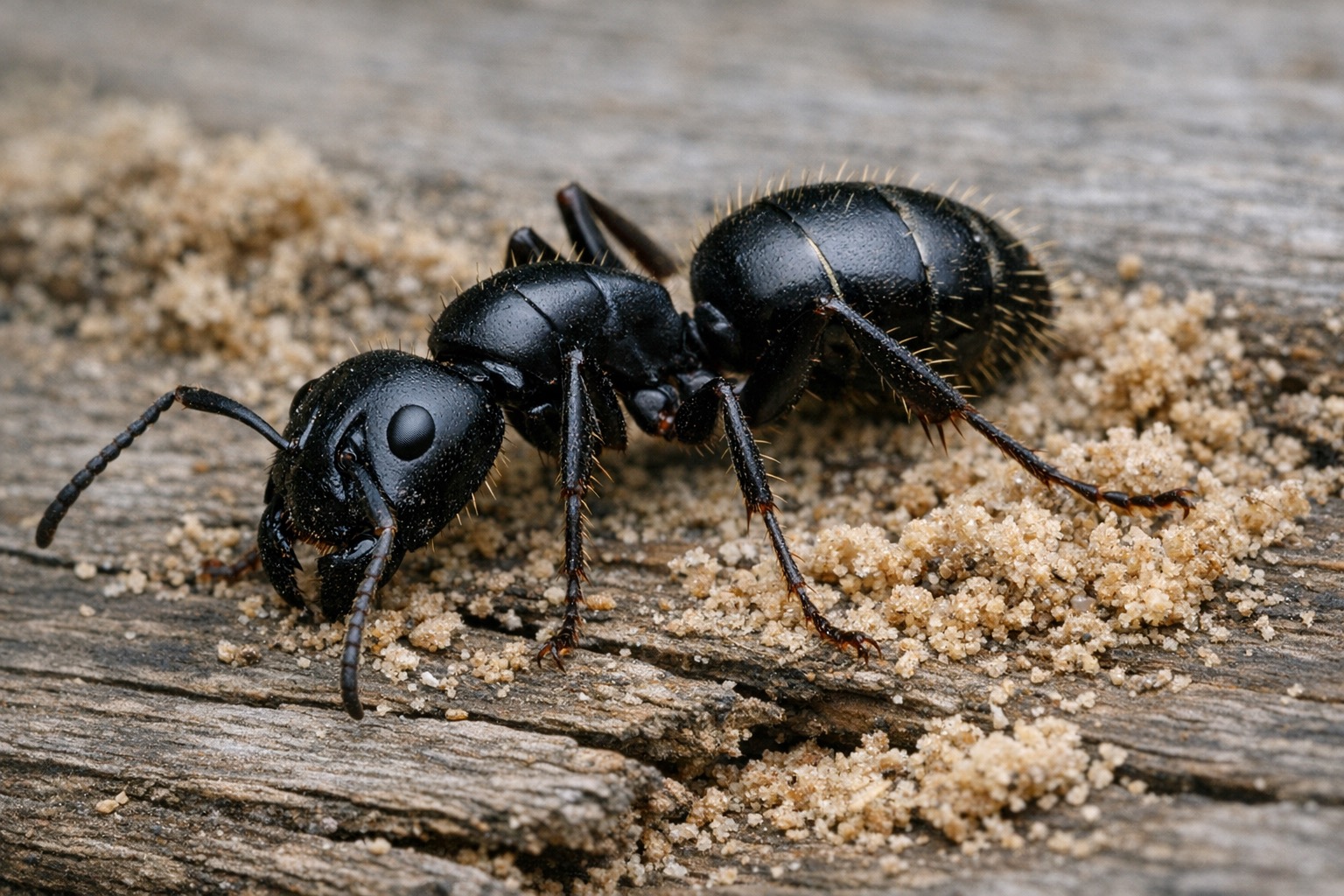
Signs of Carpenter Ants: 6 Symptoms and What They Mean
The six signs of carpenter ants: large black ants up to half an inch foraging indoors, small piles of coarse sawdust-like frass below baseboards and window frames, faint rustling inside walls at night, winged swarmers indoors in spring, and ant trails along fences and utility lines toward the house. Their presence almost always signals damp or decaying wood — a moisture problem worth fixing regardless.
Read the guide How to Get Rid of Termites: What Actually Works in PA
Getting rid of termites in Pennsylvania means eliminating a soil-dwelling colony, and only two professional strategies reliably do it: liquid soil treatments that create a continuous treated zone around the foundation, and in-ground bait systems that foraging workers carry back to kill the colony. DIY products can't replicate either. The right choice depends on construction, lot conditions, and budget — which is why treatment always starts with a licensed inspection.
Read the guide Carpenter Ants vs. Termites: The Side-by-Side Guide
Carpenter ants have elbowed antennae, a pinched waist, and uneven wings; termites have straight antennae, a thick waist, and four equal-length wings. Ants excavate damp wood and leave coarse sawdust-like frass; termites eat wood and pack galleries with mud. Termite damage is faster and costlier — but carpenter ant activity signals a moisture problem you'll want fixed either way.
Read the guide What Do Bed Bugs Look Like? A Stage-by-Stage ID Guide
Adult bed bugs are flat, oval, reddish-brown, and roughly apple-seed sized (about ¼ inch); after feeding they swell and turn darker. Nymphs are smaller and translucent yellow-white, darkening as they mature, and eggs are pearly white and pinhead-sized. The most common lookalikes are carpet beetle larvae, booklice, and young cockroach nymphs.
Read the guide How to Get Rid of Carpenter Ants in 5 Steps
Getting rid of carpenter ants means eliminating the colony, not the foragers: trace the dusk trails to find the nest, use slow-acting baits workers carry back to the queen, and avoid repellent sprays that split the colony into satellite nests. Then fix the moisture problem — carpenter ants nest in damp wood, so the leak or soil contact that invited them has to go too.
Read the guide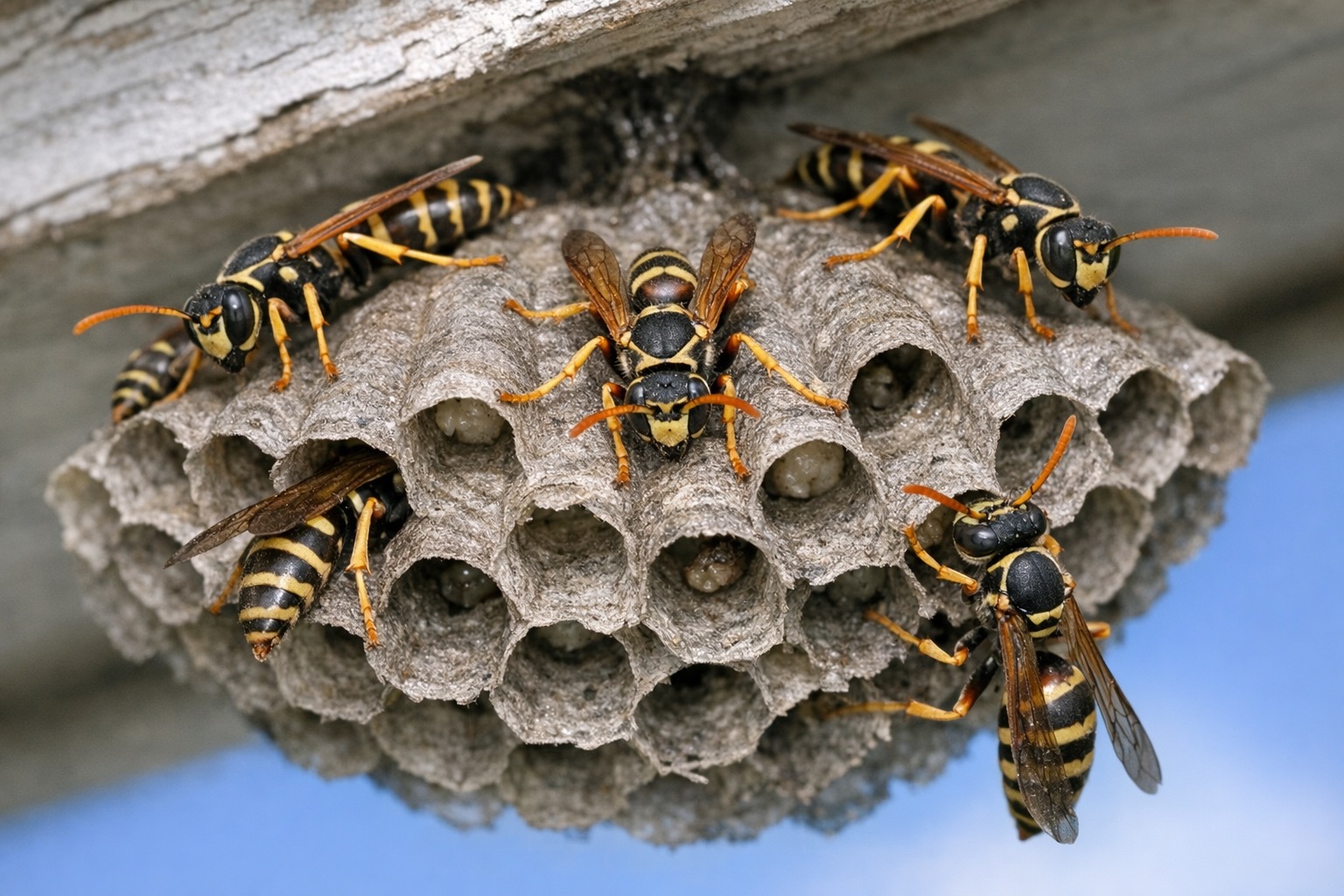
How to Get Rid of Wasps, Hornets & Yellow Jackets Safely
A small, visible paper wasp starter nest in spring — golf-ball sized, reachable from the ground, away from doors and play areas — is a legitimate DIY job with an evening treatment. Everything else is not: mature nests, underground yellow jacket colonies, and nests inside walls can put hundreds of defending wasps on you in seconds. Never seal the entrance of an active void nest.
Read the guideWhy These Guides Are Written for Northeastern PA
National pest advice often misses what makes this region different: century-old housing stock in Scranton and Wilkes-Barre with stone foundations and settled sills, wooded lots from Clarks Summit to the Pocono foothills, and hard seasonal swings that drive rodents indoors every October and stink bugs every September. Each guide here calls out those local factors explicitly — and links to Penn State Extension and EPA resources where the entomology matters.
Every guide follows the same honest structure: how to confirm what you have, what DIY can realistically accomplish, where DIY fails, and the point at which a professional treatment becomes the cheaper outcome. When that's the case, each guide links to the matching service page and cost guide so you can compare approaches and prices before anyone visits your home.
Can't Find Your Pest Here?
A free inspection identifies what you're dealing with and prices the fix in writing. Same-day service available across Scranton, Wilkes-Barre, and the surrounding counties.
Mon–Sat 7:00 AM – 7:00 PM · 2-year bed bug warranty