TL;DR — the short answer
Bed bugs show themselves through bites in lines or clusters, rust-colored spots on sheets, dark fecal dots on mattress seams, shed skins, and live apple-seed-sized insects hiding in headboard cracks. One confirmed sign is enough to act: inspect the bed and nearby furniture, keep items in the room, and skip store foggers — they scatter the infestation wider.
Updated October 25, 2026 · Written for Northeastern PA homeowners
The 7 Signs of Bed Bugs
The seven reliable signs of bed bugs are: bites in lines or clusters, rusty blood spots on sheets, dark fecal dots on mattress seams, translucent shed skins, pearly white eggs, a sweet musty odor in heavy infestations, and live bugs about the size and shape of an apple seed in furniture cracks and piping.
1. Bites in lines or clusters. Bed bug bites typically appear in rows of two to five on skin exposed during sleep — arms, neck, shoulders, and face. They itch more than mosquito bites and often take a day to swell. Bites alone are not proof (reactions vary and some people don't react at all), but they are usually the first sign people notice.
2. Rust-colored spots on bedding. Crushed, blood-engorged bugs leave small reddish smears on sheets and pillowcases, especially near the edges of the mattress.
3. Dark fecal dots. Bed bug droppings look like someone touched the mattress seam with a fine-tip marker. They bleed into fabric like ink and cluster along piping, tags, and tufts — the single most diagnostic sign short of a live bug.
4. Shed skins. Nymphs molt five times before adulthood, leaving translucent, bug-shaped husks along mattress piping and in furniture joints.
5. Eggs. Pearly white, about 1 mm — the size of a pinhead — glued in clusters into fabric seams and cracks. Hard to spot without a flashlight and a close look.
6. A sweet, musty odor. Heavier infestations produce a distinctive smell from the bugs' scent glands, sometimes compared to over-ripe raspberries or coriander. If a bedroom smells odd and shows other signs, take it seriously.
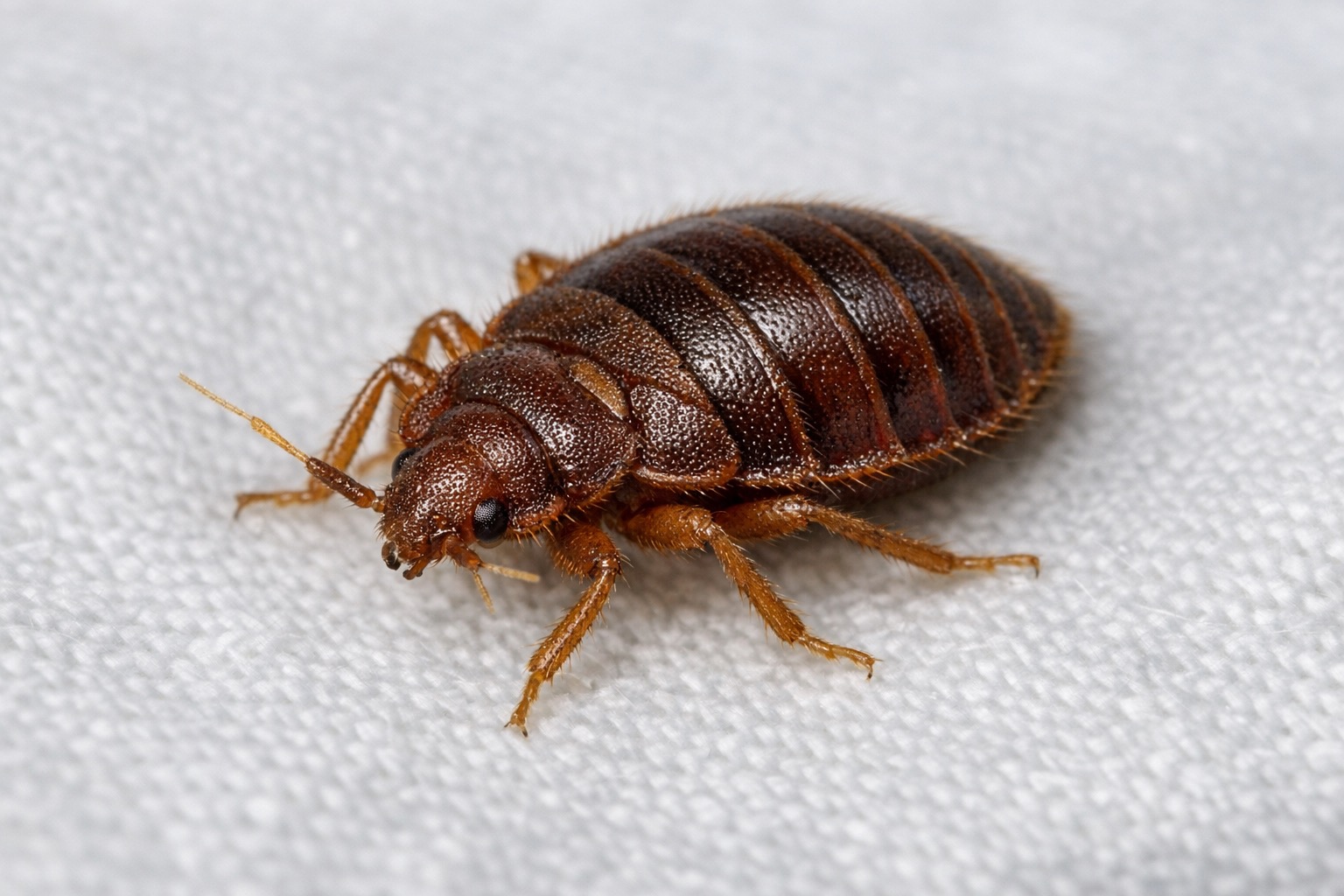
7. Live bugs. Adults are flat, oval, reddish-brown, and apple-seed sized. After feeding they swell and turn darker red. Finding one live bug confirms the infestation — everything else is evidence, but this is proof.
Where to Check First
Start with the mattress seams, box spring, and headboard — most bed bugs live within a few feet of where people sleep. Then check bed frames, nightstands, and any furniture within ten feet of the bed, including behind picture frames, inside drawer joints, and around outlet covers on shared walls.
Strip the bed and run a flashlight along every seam and fold of the mattress, then flip the box spring and inspect its underside and staples — the box spring is the most common hiding place in established infestations. Pull the bed away from the wall and check the headboard's back side and mounting brackets.
In the multi-unit housing common across Scranton and Wilkes-Barre, also check shared-wall outlets and baseboards: bed bugs move between units along wall voids and utility runs. If you rent, document what you find with photos before touching anything — a written record matters when coordinating treatment with a landlord or adjacent units.
What To Do If You Find Signs
If you find signs of bed bugs: confirm with a photo or a captured sample, keep belongings inside the affected room to avoid spreading bugs, wash and high-heat-dry bedding, and schedule a professional inspection. Do not fog or spray — DIY repellents scatter bugs deeper into walls and furniture.
First, don't panic and don't start moving furniture or sleeping in another room — that's how a one-bedroom problem becomes a whole-home problem. Bed bugs follow the host. Bag bedding and washable items inside the room, run them through a hot dryer for at least 30 minutes (heat, not washing, is what kills bugs and eggs), and vacuum the bed frame and floor seams, disposing of the bag outside.
Skip the hardware-store fogger. The EPA's guidance on do-it-yourself bed bug control is blunt about it: total-release foggers don't reach the cracks where bed bugs hide, and repellent sprays push them deeper into the structure. Bed bugs also show resistance to many over-the-counter pyrethroids — the Penn State Extension bed bug resource notes that confirmed infestations almost always require professional treatment to fully eliminate.
When to Call a Pro for Bed Bugs
Bed bugs are the one pest where DIY almost never finishes the job: eggs survive most sprays, and a single missed fertilized female restarts the infestation. If you've confirmed any sign — bites, stains, or a live bug — a professional inspection maps how far it's spread, and heat-based treatment eliminates every life stage in one visit. Our bed bug work is backed by a 2-year warranty.
Free inspection, firm written quote, no pressure. Same-day service available across Scranton, Wilkes-Barre, and the surrounding counties.
Get a Free Quote